Dr. Don Honorio Canciller Evangelista y Salunga
1891 – 1978
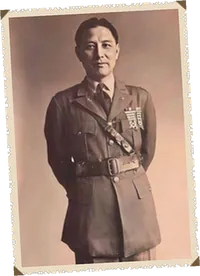
Don Honorio Canciller Evangelista y Salunga was a son of Candaba’s Gobernadorcillo, Capitan Tiago — a doctor of veterinary medicine, an international prize-winning marksman, and, for his defiance of the Japanese in occupied Shanghai, a recipient of the Medal of Freedom. His life carried the Evangelista name from a Candaba hacienda to the United States Congress, which passed a private act for his relief in 1950; of all the children of Don Santiago Canciller Evangelista, he was the last survivor.
A Son of the Gobernadorcillo
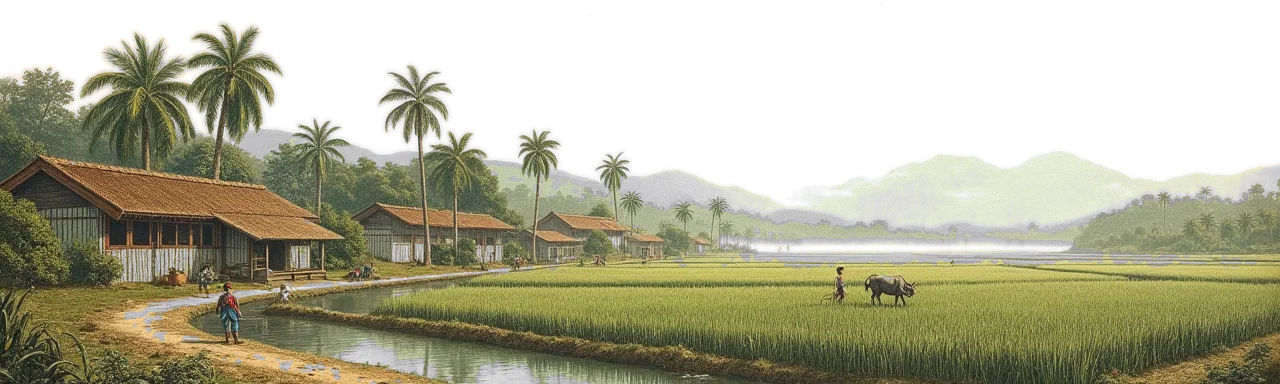
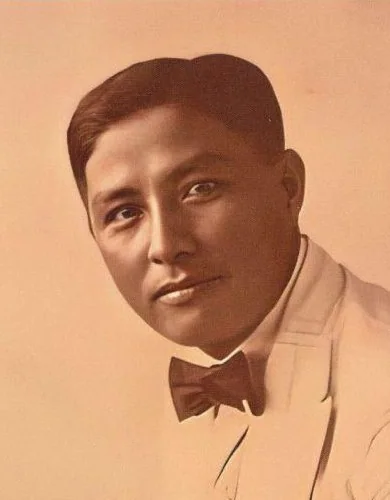
Don Honorio was born into the great house of Don Santiago Canciller Evangelista — Capitan Tiago, hacendero and Gobernadorcillo of Candaba — and his third wife, Doña Maria Pilar Salunga y Dantis, whom Capitan Tiago married on November 8, 1886. Through his mother Honorio descended from the Super Principalia, a direct line from Lakan Dula, the last King of Tondo. He was born on November 21, 1891 in Candaba.
He grew up in a crowded and distinguished nursery — Sariong, Natividad, Maria Adelaida, Honorio, José and Virginia — alongside his older half-brothers Don Emiliano, Don Pedro (later Municipal Presidente of Candaba and husband of Doña Mercedes Castro), and Don Ambrocio. The clan’s boys were raised among the haciendas and the shooting grounds of the Candaba Swamp, where the Evangelistas kept their hunting traditions; in time Honorio would win shooting prizes abroad, and the marksmanship would echo down the family line for generations.
From Candaba to Shanghai
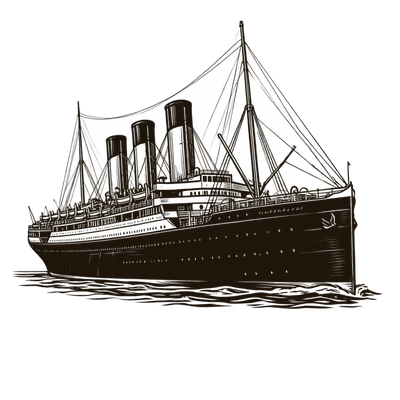
As a young man Don Honorio crossed the Pacific: he studied at the San Francisco Veterinary College from 1912 to 1917, graduating as a doctor of veterinary medicine. His path then led to Shanghai, where he lived for more than a quarter of a century, a leading figure among the Filipinos of that cosmopolitan city.
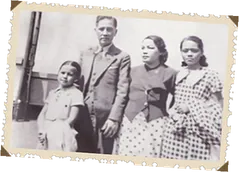
There he raised his family with Doña Carmen Lacanilao-Evangelista — their daughter Leonor, and Asuncion, whom they adopted — the children looked after by amahs in the manner of prosperous Shanghai households. Leonor grew up a cosmopolitan girl of the city, and in time performed on the Philippine stage.
The War Years and the Medal of Freedom
When the Japanese occupied Shanghai, Dr. Evangelista refused to lend the Filipino community he led to the puppet government established in Manila. For his pro-American efforts he was sentenced to three years in prison; he served eighteen months, released in June 1945, and when at liberty he was required to report to the Japanese authorities daily, as the interned enemy nationals did.
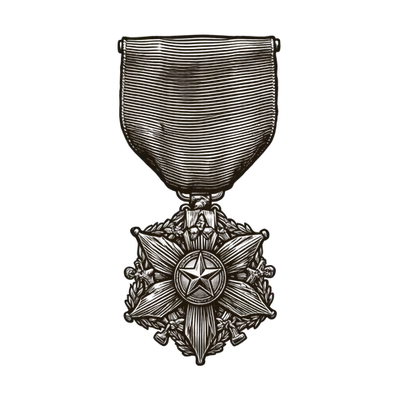
On September 2, 1945 the American consul general in Shanghai decorated him with the Medal of Freedom, awarded for exceptionally meritorious service to the United States; a ribbon of merit and two citations from the Chinese government followed. After the war he served American naval and army units and testified at the trials of Japanese war criminals.
H.R. 1806 and the Pride of Candaba
The war over, Dr. Evangelista faced a new battle: the Philippine immigration quota was oversubscribed and his application to remain in the United States had been denied in 1948. His case reached Congressman Franck Havenner of San Francisco, who introduced a private bill for his relief; the examiner called it one of the most meritorious bills ever referred to him, and in 1950 the Congress granted Dr. Honorio Canciller Evangelista and his wife Nancy Ting Evangelista permanent residence. The Bureau of Animal Industry of the Department of Agriculture, his employer, had told the Congress it could not readily replace him.
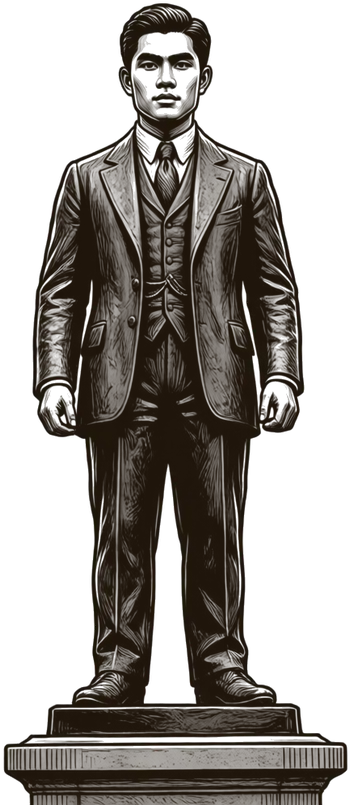
From a well-appointed condominium on Ellis Street in San Francisco, Don Honorio became the patriarch of the clan’s American diaspora: from the late 1940s on, Evangelistas newly arrived from the Philippines made it a point to see him. He passed away peacefully at home on May 7, 1978, the last surviving child of Capitan Tiago and Doña Pilar, and was laid to rest at Cypress Lawn Cemetery in Colma, California. His adopted daughter Asuncion married three-term Candaba Mayor Anastacio Gallardo; his daughter Leonor’s children became the musical Evangelista-Jacinto family. In 2019 China announced a statue in his honor on the old Manila Road in Shanghai — a fitting tribute to a man who, as the family book concludes, belongs not just to the Evangelista clan, but to the world.