
Honorio Gualberto Santos
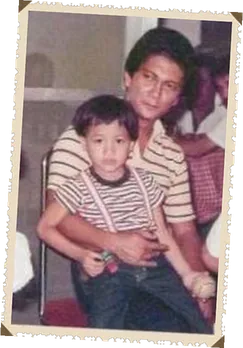
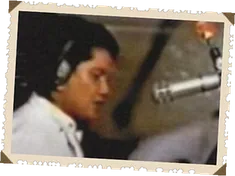
Honorio Gualberto Santos—known in the family as Tito—bore a name that spoke across two branches of the Evangelista circle. Named Gualberto for his grandfather Dr. Gualberto Santos and Honorio for his father’s role model Dr. Honorio Canciller Evangelista, he was the youngest son of Cesar Evangelista Santos and Gloria Tolosa. Born on April 16, 1953, he grew up at the family house on Sicaba Street, Santa Mesa Heights, in the company of cousins, aunts, and the stories that knit the clan together. He died on January 28, 2021, leaving behind a lifetime tied to one of the most colorful Santos lines.
Honorio’s first name honored Dr. Honorio Canciller Evangelista, the San Francisco-based physician and humanitarian whose reputation made him a role model for many in the family. His second name, Gualberto, came from his grandfather Dr. Gualberto Santos y Suniga, who married Doña Natividad Canciller Evangelista, Don Santiago Canciller Evangelista’s daughter, in 1904. That marriage joined the Santos family to the Evangelista line and produced a large family photographed in the grand sala of their bahay na bato in Bulan, Sorsogon around 1928.
Honorio’s father, Cesar Evangelista Santos, was one of the children of Dr. Gualberto and Doña Natividad. Cesar was a crack shot and a high-ranking official at the National Bureau of Investigation; he looked up to his uncle, Dr. Honorio Canciller Evangelista, as a model of professional distinction. Cesar married Catalina Estrella Lorenzo around 1933, and their children included Arturo Tolosa Santos and the youngest, Honorio Gualberto.
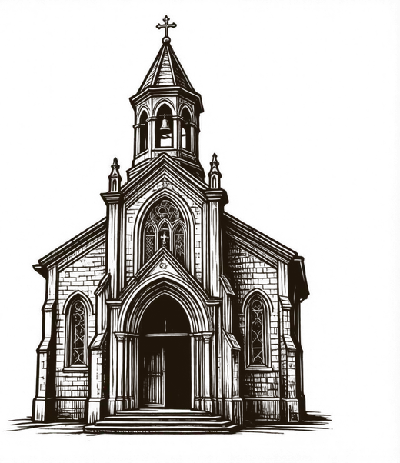
The family of Dr. Gualberto Santos and Doña Natividad moved to Sorsogon after their elopement, but their identity remained Evangelista through and through. Their children—Maria, Placer, Amado, Cesar, Adelaida, Josefina, and Gualberto Jr.—were baptized and, in some cases, married at the Immaculate Conception Catholic Church in Bulan. Maria, the firstborn, died in infancy; Adelaida later married Luis Mansor on her twenty-third birthday in 1934. These details, preserved in parish records, give texture to the world in which Honorio’s father and aunts grew up.
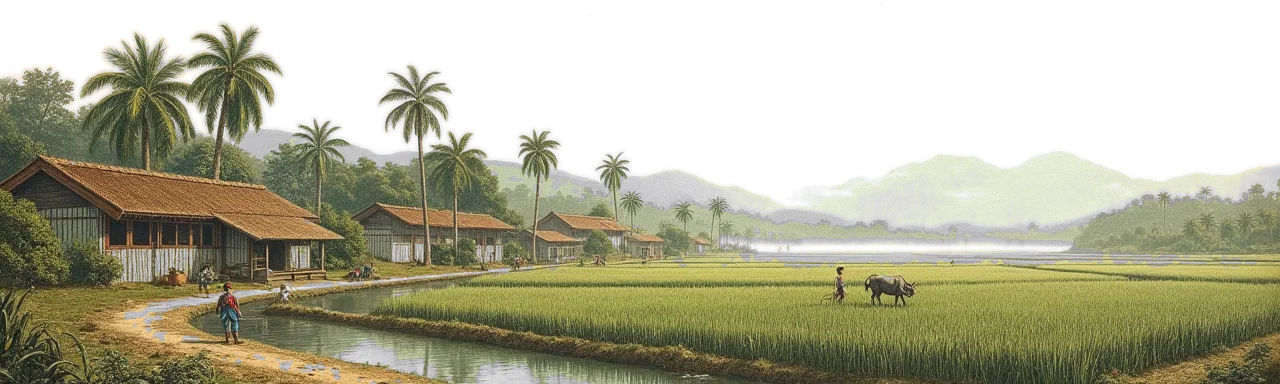
Cesar’s own family later lived in Santa Mesa Heights, Quezon City, where many Evangelistas had settled. The house on Sicaba Street became the backdrop of Honorio’s childhood. It stood close to the home of his grandmother’s sister Francisca “Paquita” Hannay-Samson, who in the 1960s hosted Evangelista reunions at her sprawling residence nearby.
The Evangelista-Santos family kept close ties through weddings, visits, and reunions. In the 1960s, Lola Paquita Hannay-Samson hosted clan gatherings at her Santa Mesa Heights home and her vacation house in Tagaytay, where the view of Taal Volcano provided a dramatic backdrop. Her neighbors there included Elaine E. Olson-Aragon and the family of the violinist Joaquín Gatbonton Evangelista. For young Honorio, such occasions would have been part of the rhythm of an extended family that refused to drift apart.
Those reunions were also a setting for the stories that kept the older generation alive. Cesar Evangelista Santos, who forged a strong bond with his uncle Dr. Honorio Canciller Evangelista during visits to San Francisco, carried that connection back to Manila. Through him, the younger Honorio would have heard of the legendary physician whose name he shared.
Honorio Gualberto Santos was born on April 16, 1953, and died on January 28, 2021. These dates come from the family tree record. The book does not describe his career, his marriage to Constance Jennifer, or the details of his later years; those facts live in family memory and in the record card rather than in the printed narrative.
Yet his place in the story is secure. As the youngest child of Cesar and Gloria Tolosa Santos, he closes one chapter of the Evangelista-Santos line while his name points back to the generations that made the family remarkable. In the photographs and captions that survive, Tito remains a quiet, dignified presence at the edge of the frame—always connected, always remembered.