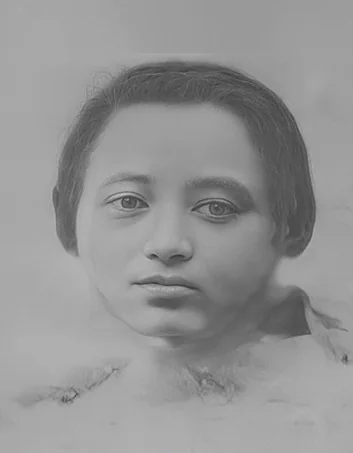
Doña Mercedes Castro y Constantino
She was born Mercedes Castro y Constantino, a daughter of Santos Castro and Esperanza Ygnacio Constantino of Polo, Bulacán, and sister of Marciana, who in 1900 married the revolutionary hero Dr. Pío Valenzuela. Mercedes’s own marriage carried her south to Candaba, Pampanga, as the wife of Don Pedro Canciller Evangelista — a Katipunero who became Municipal Presidente of the town — and there she raised their four children, Luz Sofronia, Aurora, Beatriz, and José Evangelista y Castro.
The Castro Sisters of Polo
The Castro (or de Castro) sisters of Polo, Bulacán, both married wealthy, political men — and both marriages bound the family into the making of the new nation. Through Marciana, wife of Dr. Pío Valenzuela y Alejandrino of Polo, Mercedes was sister-in-law to one of the heroes of the Philippine Revolution against Spain; through her own marriage to Don Pedro, she was wife to a Katipunero who would help shape Candaba’s future.
Wife of the Katipunero
Don Pedro had been initiated into the Katipunan in 1895 at the age of twenty-five — sworn into the secret society by no less than Mercedes’s own brother-in-law, Dr. Pío Valenzuela. When peace was finally restored in the Philippines under American rule, he concentrated his efforts in Candaba, helping to shape its future while at the same time raising a family with Doña Mercedes. On January 7, 1908, he took up his father’s political mantle as Municipal Presidente of Candaba.
Don Pedro and Doña Mercedes had four children: Luz Sofronia (b. 1903), Aurora (1905–1968), Beatriz, and José Evangelista y Castro.
The Next Generation
Through her four children the Castro line took root in Candaba. Luz Sofronia married her first cousin Dr. Dominador Evangelista, son of Don Pedro’s younger brother Don Quintin, on March 23, 1930. Aurora married José Castor and bore seven children; Beatriz married Ambrocio Go and had three daughters; and José married Doña Aurora Limjoco.
Don José Evangelista y Castro followed his father’s footsteps as a man of service. The townsfolk looked up to him as their doctor — he never accepted payment for his services — and though not interested in politics, he served as an undefeated Councilor and then won the Vice Mayoralty in a landslide, politely refusing when Candabeños clamored for him to run for Mayor.