The Principalia
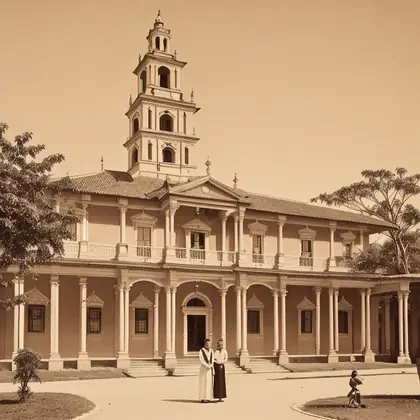
We were part of the noble ruling class of the Spanish Colonial Philippines. The honorific “Don” and “Doña” were not merely titles—they were recognition of standing as hacienderos, leaders, and patrons of the faith.
Candaba · Pampanga · Est. 1784
of Candaba, Pampanga
“Where bloodlines become legacies,
and names carry the weight of centuries.”
The Evangelista Clan of Candaba, Pampanga are an old Filipino clan who were part of the Principalia—the noble ruling class during the Spanish Colonial Era. Power, influence, and riches reached their zenith in the 19th century, when estates stretched from Mapanique to Magumbali—one could ride all day and still not reach the end of our lands.
Baptismal records from 1784 reveal our earliest known ancestor, Don Marcos Evangelista, already styled with the honorific “Don” and living in Barangay Batto as a “mestizo de Sangley.” DNA studies confirm what the old records suggest: we are Eurasian, primarily Filipino-Chinese with Southern European blood—a unique blend that shaped our identity as merchants, hacienderos, and leaders.
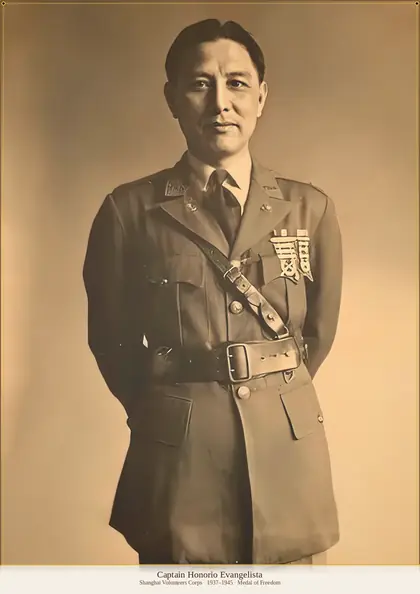
For nearly two centuries, five Evangelistas served as Gobernadorcillo (Town Mayor)—the highest office a native could hold—guiding Candaba through Spanish rule, revolution, and into the modern age. From Don Santiago “Capitan Tiago” Canciller Evangelista, the richest man in Candaba, to Dr. Honorio Canciller Evangelista, war hero decorated by President Truman, to Dr. José Evangelista y Limjoco, cardiologist and philanthropist in Michigan today—the legacy continues.
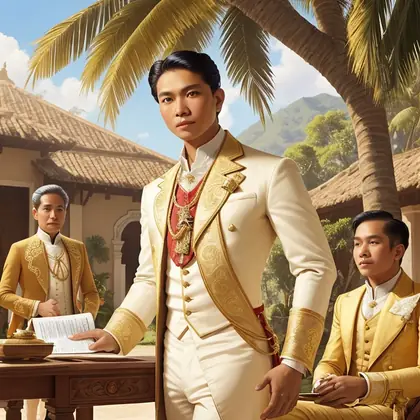
A century of leadership and legacy
The pillars that built our house
We were part of the noble ruling class of the Spanish Colonial Philippines. The honorific “Don” and “Doña” were not merely titles—they were recognition of standing as hacienderos, leaders, and patrons of the faith.
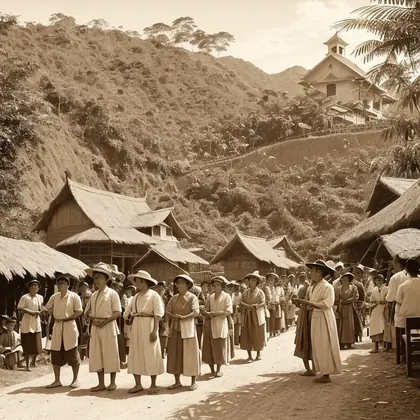
For over a hundred years, the Evangelista estates produced the largest palay harvest in Candaba. Lands stretched across Mapanique, Salapungan, Magumbali, Mandili, and beyond—riches built on the backs of carabaos and the sweat of farmer tenants.
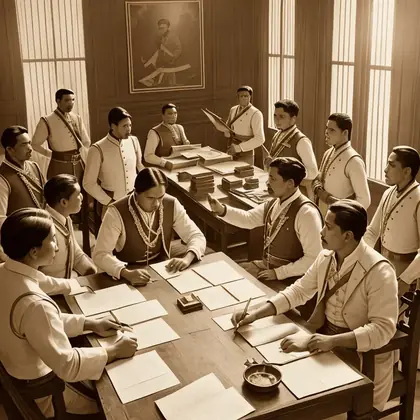
Five Evangelistas served as Gobernadorcillo of Candaba. Others fought as Katipuneros in the revolution, led municipal councils under American rule, and served as Justices of the Peace. Public service is in our blood.
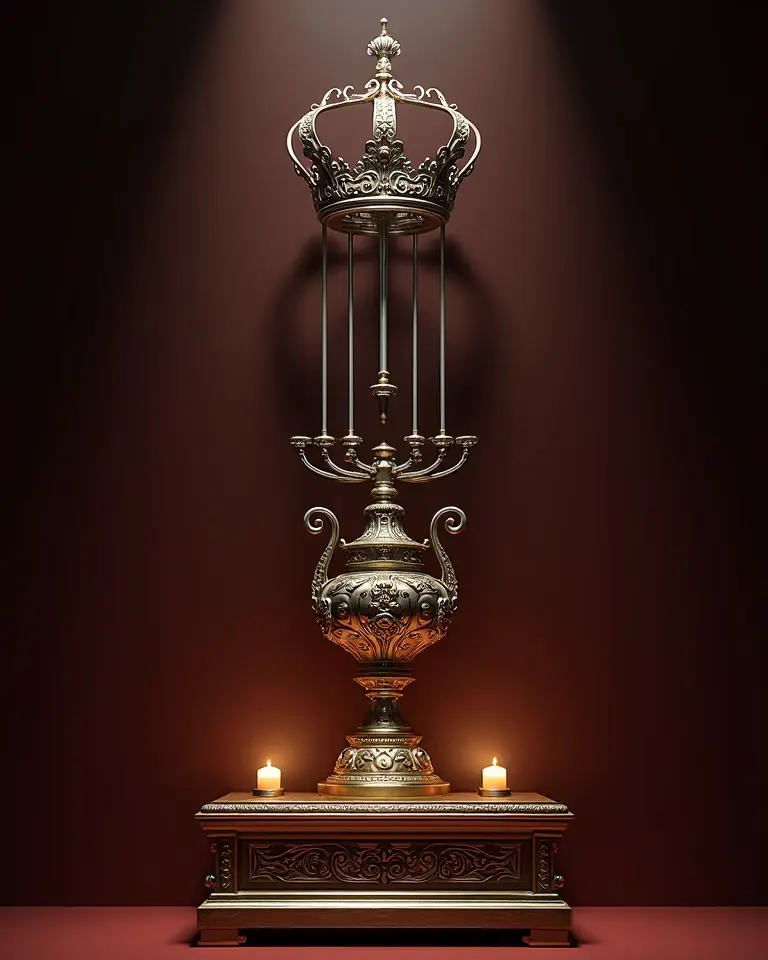
The Evangelista Clan were camareros—sponsors of the Holy Week processions. Our silver carroza carried the Mater Dolorosa through the streets of Candaba. Today, descendants still process the ancient statue every Good Friday.
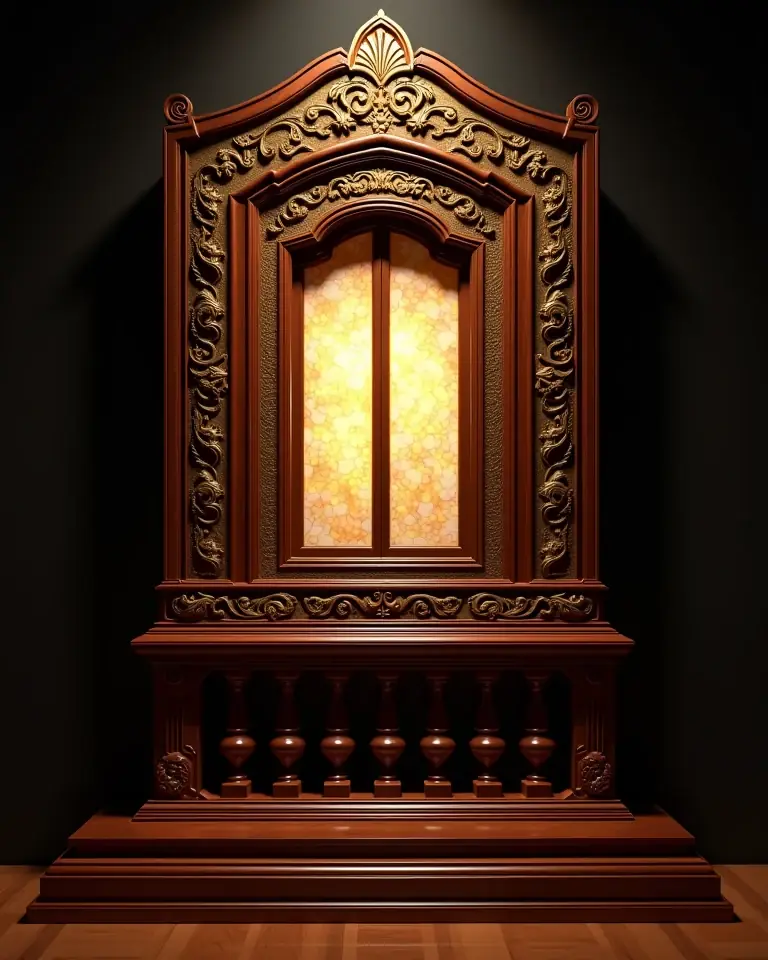
Our ancestral homes on Calle de la Virgen featured capiz windows, grand entresuelos, and secret compartments beneath the oratory where cash was hidden under the watchful gaze of ivory-faced santos.
From Dr. Honorio in 1920s Shanghai to Dr. José in present-day Michigan, Evangelistas have always reached beyond Candaba’s borders. Today we are doctors, entrepreneurs, engineers, and builders across America and beyond.
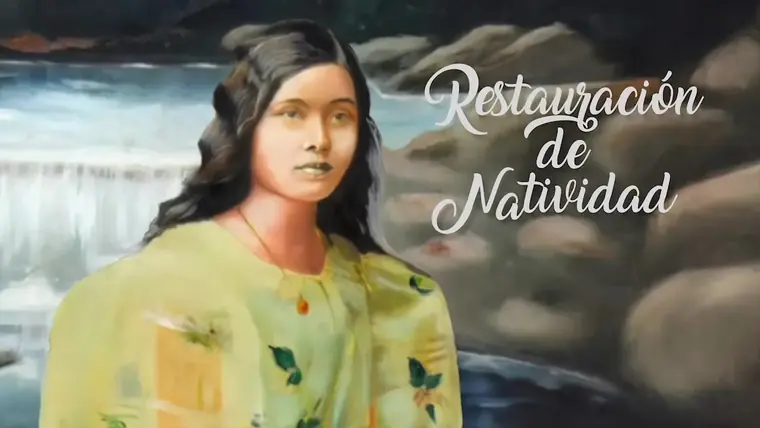
A documentary of faith renewed
Read the full stories of Don Santiago, Dr. Honorio, Dr. José, and the generations who built the House of Evangelista.
A visual journey through our family tree
A landmark family tree poster celebrating the House of Evangelista—from Don Marcos Evangelista in the 1700s through Capitan Tiago, Dr. Honorio, and Dr. José—honoring our clan’s heritage in Candaba, Pampanga.
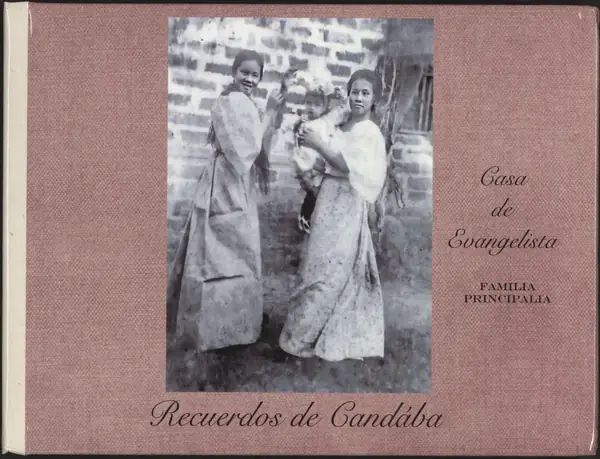
Explore the complete 120-page heritage book—rare photographs, historical documents, maps, and family records compiled by Anna Viray-Cruz.