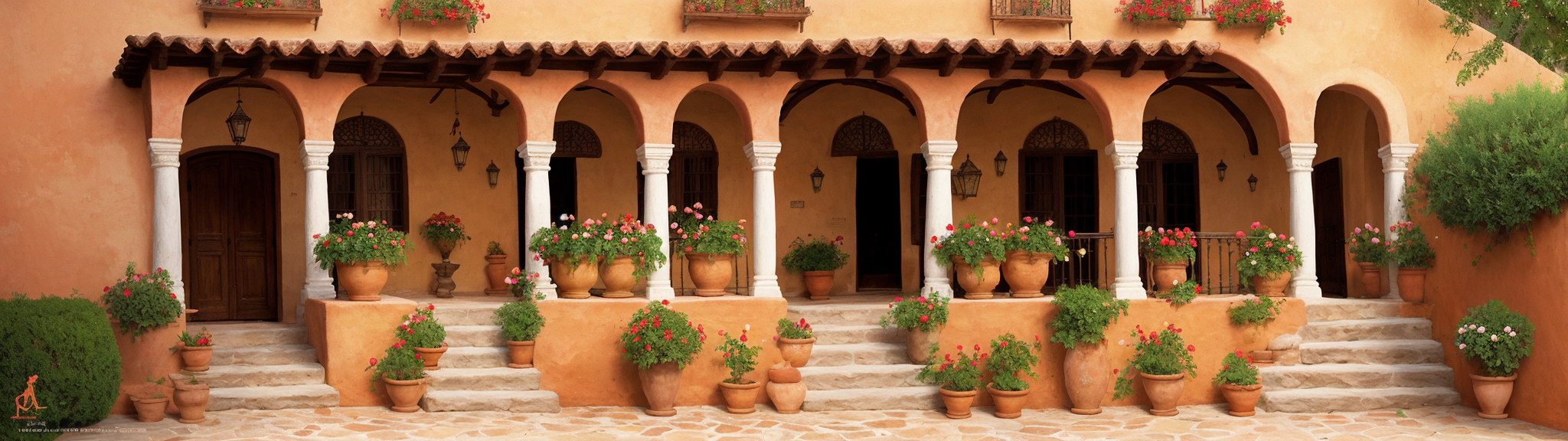
Each of us should have a happy place from our childhood. Somewhere where we can go back to a time of innocence, if only for a while, within our hearts and minds. A bucolic town of wonder and adventure where a child could run and play untouched and undisturbed for hours until suppertime. Free to roam and explore its myriad of streets lined with the ancestral houses of its earliest and most prosperous inhabitants. Where watermelons and rice stalks rise up and fill its vast open fields, beckoning curious young minds. Thousands of hectares of swampland nearby create a haven for migratory birds and budding naturalists. And the silhouette of a mysterious enchanted mountain glistens in the distance. For sisters Emylene E. Jacinto-de Jesus (b. August 14, 1948), and Deborah (Debby) Evangelista Jacinto (b. October 6, 1949), this was the Candaba of their youth. The land of their illustrious Evangelista ancestors, and for them the pastoral setting of happiest memories. Their great-grandfather, Don Santiago (Capitan Tiago) Canciller Evangelista, was the Gobernadorcillo of Candaba during the Spanish Colonial Rule.
Granddaughters of Dr, Honorio Canciller Evangelista, scion of one of Candaba’s oldest and most prominent families, as children Emylene and Debby Jacinto y Evangelista lived with their parents, Atty. Emmanuel Tinawin Jacinto and Leonor (Nonong) Evangelista-Jacinto, and 9 other siblings in Quezon City. The two girls along with their sisters attended the exclusive all-girls Catholic school Assumption Convent in Herran, Malate, Manila. Like all children, they looked forward to the summer months, April and May in the Philippines. As soon as school ended for the year, they knew they would be shipped off north to their beautiful Evangelista ancestral house on Buas Street (now Gallardo Street) in Candaba. The Evangelista-Jacinto children savored every minute of their summer vacations in Candaba.
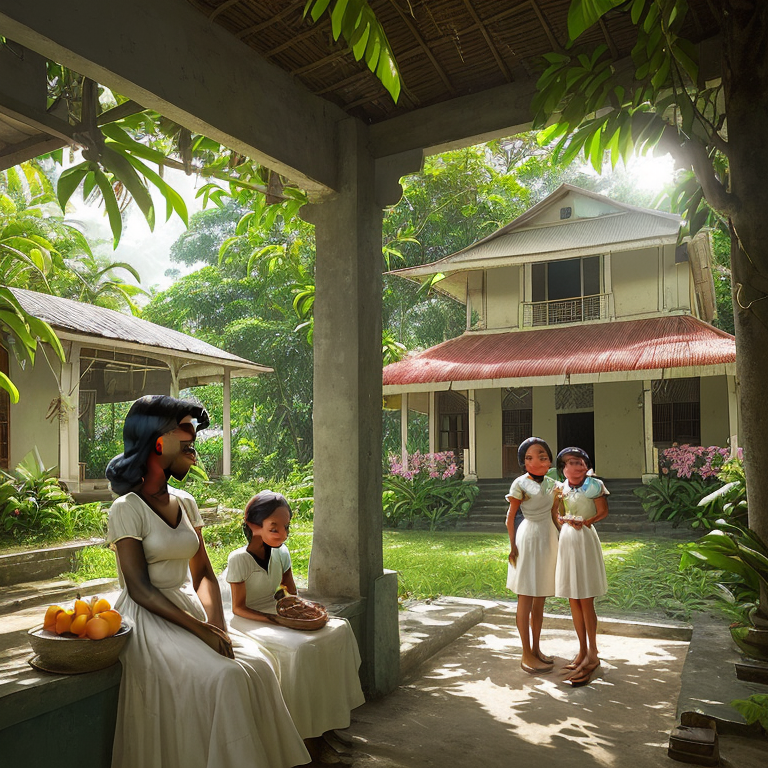
Summer in Candaba
Just a little over a decade after the end of World War II, life was returning to normal for the ancient town that suffered through so many horrors and atrocities at the hands of the Japanese Imperial Army. Farming was in full swing, a testament to the industriousness and fighting spirit of the Candabeños. The provincial town of Candaba produced the sweetest watermelons, and the Jacinto sisters remembered “carts and carts” of the delicious fruit overflowing along the streets and alleyways. Since their uncle, Anastacio Gallardo, the husband of their aunt Asuncion (Sunny) Evangelista-Gallardo, was the Mayor of Candaba, he would often order a cart of watermelons be brought over to the ancestral house where the Evangelista-Jacinto children feasted on them together with their Evangelista-Gallardo cousins. Mayor Gallardo, who served three terms as the town mayor (1946-1949, 1952-1956,1961-1966) would also order fresh cow’s milk for his children, nieces and nephews. The Jacinto sisters remembered with great delight the sights and sounds of Candaba, the church bells tolling at the San Andres Apostol Catholic Church, the smells of Kapampangan cooking, the delicious desserts sold by the locals, particularly the halo-halo. This was Pampanga, after all, the Culinary Capital of the Philippines.
The Jacinto sisters’ memories of Candaba hearken back to simpler times when many relatives still lived close by, and everyone knew each other. Those were the days when it felt very safe for children to walk around town. They recalled walking to the homes of various cousins to play, and when they participated in local stage shows where they sang “Paper Roses” on a makeshift stage built on plywood. The sisters, who came from a family of singers and musicians led by their mother Leonor, were popular among the locals who referred to them as the “Manileñas.”
The Sinyuras
In rural settings like Candaba, religious events are the high point for its citizenry. On April 6, 1958, Easter Sunday, Emylene Jacinto y Evangelista, 9 years old, her sister Debby Jacinto y Evangelista, 8 years old, and their cousin Jenny Gallardo y Evangelista, clad in long gowns and pearls, Spanish fans in hand, processed through the streets of Candaba as “Sinyuras” (usherette or ladies of a high social position), proudly accompanying a large carroza carrying the ancient statue of Mater Dolorosa, an Evangelista family heirloom. In doing so, they walked in the footsteps of their Evangelista forebears who were part of the Principalia, the noble ruling class during the Spanish period in the Philippines which lasted for over 300 years. The Principalia families supported their local parishes, and sponsored the town's religious processions. They owned the ornate carrozas, usually made of pure silver encrusted with jewels, which carried the families’ prized “santos” (religious statues) with heads and hands made of ivory, dressed in intricately embroidered silks and velvets. The Principalia rule ended in 1898 with the defeat of the Spaniards in the Spanish-American War. Under the Americans, many old Spanish traditions were sadly lost. The town processions was one of the traditions that survived and continued by the descendants of the old Principalia families, the Evangelistas of Candaba among them.
And so it was on that Easter morning of Our Lord Jesus’ Resurrection that sisters Emylene and Debby Evangelista Jacinto and their first cousin Jenny Evangelista Gallardo found themselves dressed to the nines like the Evangelista aristocratic ladies of old, walking the same streets that they most surely had traversed during the Easter Sundays of yesteryears. Emylene wore a yellow gown lovingly sewn by her Aunt Asuncion Evangelista-Gallardo, while Debby wore her Assumption Convent First Holy Communion gala gown. The long white dress with its signature rounded lace collar had originally belonged to her older sister Emylene who wore it on her First Holy Communion on October 11, 1956. The Assumption gala dress has been passed down the generations and has been worn by Emylene E. Jacinto-de Jesus’ granddaughters Emma and Mia Jacinto-de Jesus Garcia. Several of Capitan Tiago’s descendants who also attended the Assumption Convent school have donned the same gala attire. Traditions remind us that we are part of a history, it helps define our past and understand who we are, our identity. Upholding religious traditions creates a solid foundation upon which generations can stand on. The bedrock is God. Traditions are good for the soul.
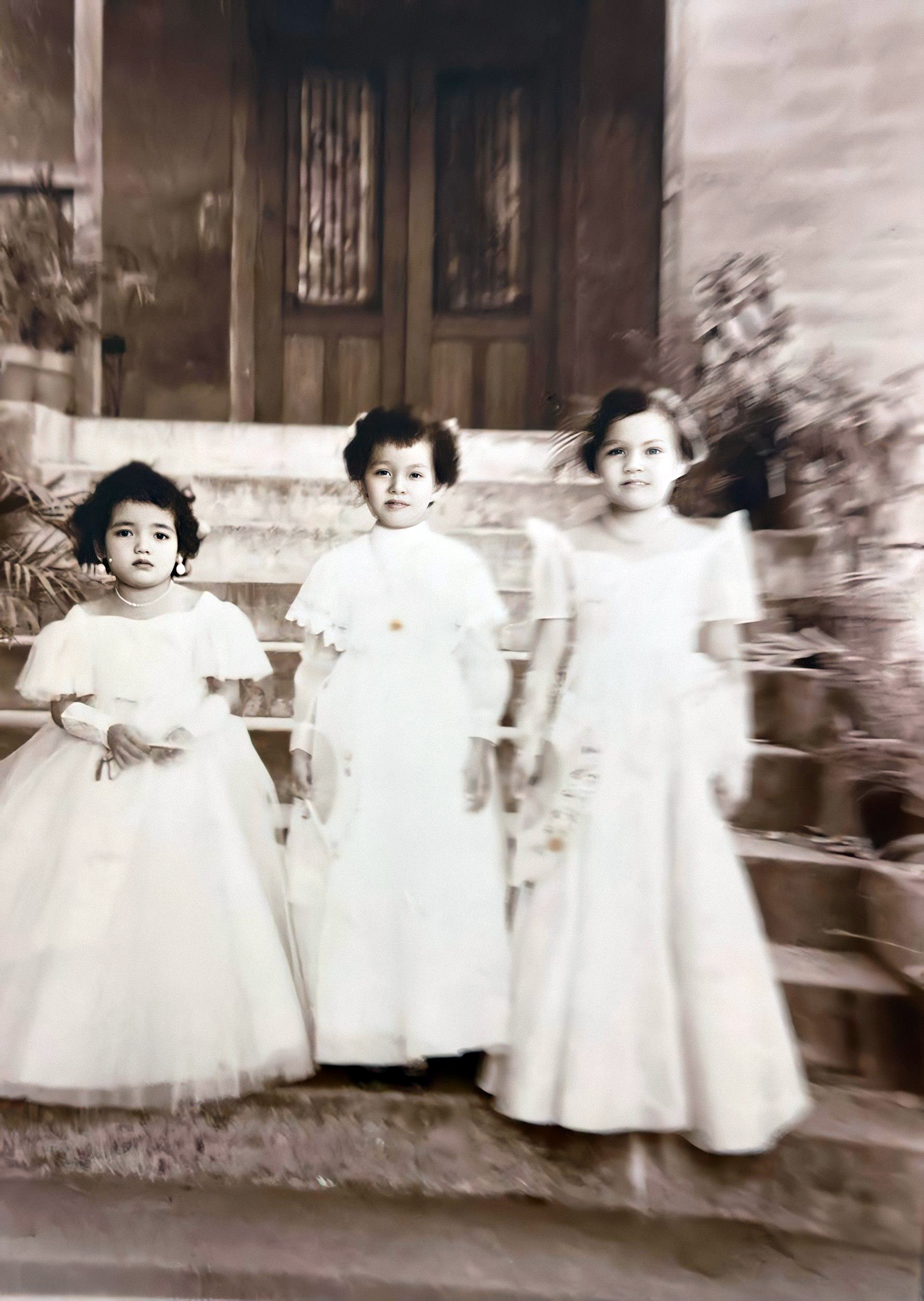
It’s been many years since those halcyon days in Candaba but Emylene E. Jacinto-de Jesus and Debby Evangelista Jacinto, their siblings, and cousins have not forgotten the happy summers of their childhood. There are parents, and even grandparents, among them today. Many of them live in the United States, including the two Jacinto sisters. But every now and then, in the quiet hours when their being and memories fade into one, Emylene and Debby find themselves transported across an ocean to that far country. For a moment, they are once again the little Sinyuras of Candaba.